2026-10-24 ·
How Freeze-Thaw Cycles Affect Chimneys in Riverton Homes
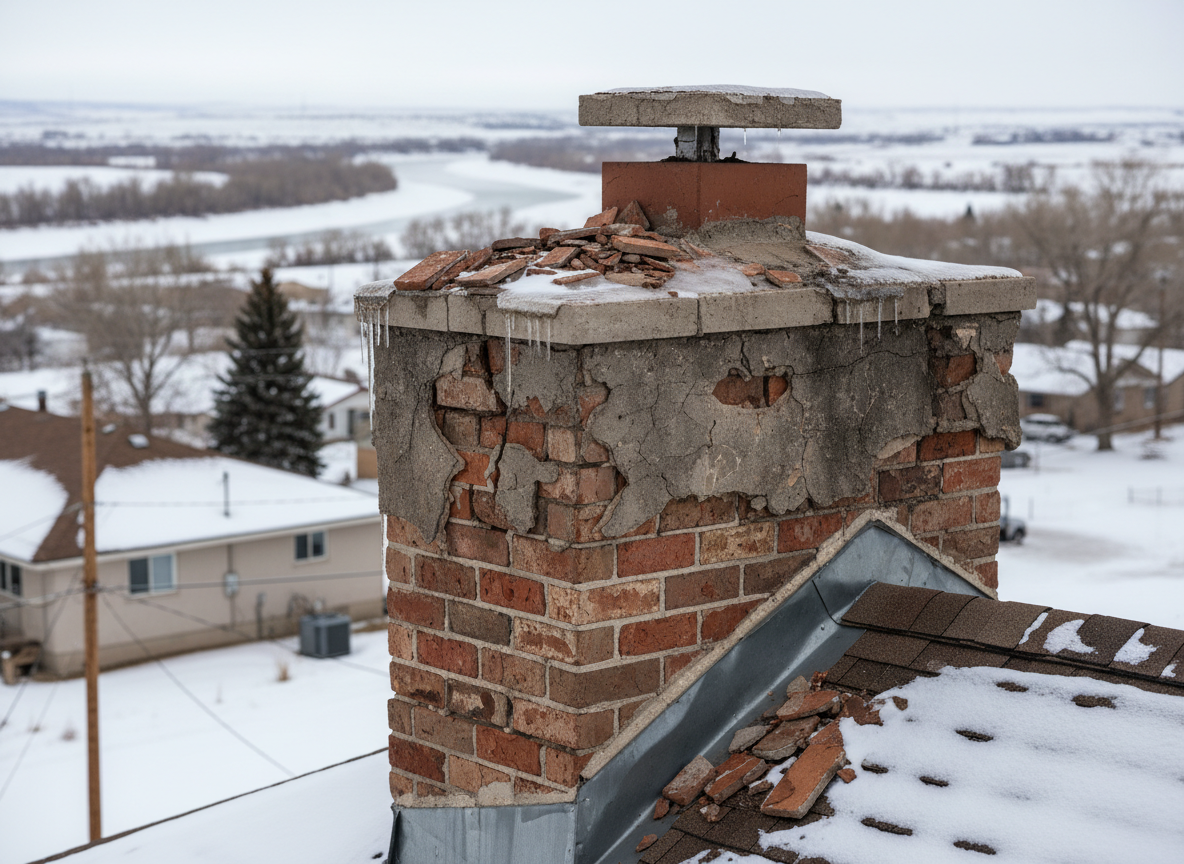
Freeze-thaw cycles in Riverton cause chimney masonry to crack when water seeps into mortar joints and expands by up to 9 percent during the 20 to 30 nights below freezing each winter. The semi-arid climate brings cold winters after hot summers, so homes in Western Springs and Harvest Park see repeated expansion and contraction that loosens bricks on chimneys built before 1990.
How Water Enters and Expands in Local Chimneys
Riverton sits in Salt Lake County where winter temperatures swing from 15°F at night to 35°F by day. Moisture from snow or rain enters through small gaps in brickwork or around flashing on homes near Riverton City Park. Once inside, the water freezes overnight, pushes mortar apart, and creates wider paths for the next storm. Over five or six cycles in a single month this process turns hairline cracks into openings that allow more water deeper into the flue. Homes in Harvest Park often show damage first on the north-facing side where sun never fully dries the masonry.
Effects on Brick and Mortar in Older Riverton Stock
Many chimneys in Western Springs and Riverton Meadows were built with soft lime mortar that absorbs water easily. Each freeze pushes the joints outward, and the thaw lets debris fall in, preventing the mortar from reseating. After three winters this cycle can shift bricks enough to create vertical cracks running the full height of the chimney. South Jordan and Herriman homes built on similar clay soils experience the same pattern because the ground heaves slightly and adds stress at the base. The result is spalling bricks and loose crowns that let more water reach the roof deck.
Visible Damage Patterns After Multiple Seasons
Homeowners notice white efflorescence on bricks first, followed by missing mortar chunks near the roofline. In Draper homes the same cycles produce leaning chimneys when the south side dries faster than the north. By the time cracks reach 1/4 inch wide, water has usually reached the interior flue liner and can stain ceilings during spring thaws. These signs appear consistently on chimneys serving fireplaces in homes built between 1975 and 1995 throughout Salt Lake County.
Timing Repairs Around Riverton's Weather Patterns
The best window for addressing damage is after the last hard freeze but before summer heat dries everything tight. Checking chimneys in late March allows crews to repoint mortar before the next winter's 25-plus freeze events begin. Linking to When to Schedule Chimney Repair Before Riverton's First Hard Freeze helps residents plan around the first October cold snap. Tuckpointing with modern mortar mixes that match the original lime content stops the cycle without trapping moisture inside the masonry.
Protecting Chimneys from Continued Freeze-Thaw Stress
Applying a breathable waterproofing treatment after tuckpointing reduces water entry while still allowing vapor to escape. Residents in the Old Dome Meeting Hall area often combine this with new flashing at the roof intersection to keep runoff from pooling. For chimneys already showing movement, chimney masonry repair restores alignment before the next winter. Checking the crown for hairline cracks each fall prevents the most common entry point for the water that drives the entire freeze-thaw process.